
From Desk to Calm

Stress Less, Move More, Work Better – From Anywhere

Tag: health

  • Brain Fog Solutions: 6 Science-Backed Supplements for Mental Clarity (2025 Guide)

    Brain Fog Solutions: 6 Science-Backed Supplements for Mental Clarity (2025 Guide)

    What Causes Brain Fog? (The Science Behind Mental Fatigue)

    Hey friend,

    It’s 2 PM. I just realized I’ve been staring at the same email for fifteen minutes. I haven’t actually been reading it. This tells you everything you need to know about where my brain has been lately. Just last week, I found myself in my kitchen. I was holding my phone but couldn’t remember why I came in there. I wondered if my brain had officially gone on vacation without telling me 🧠.

    Sound familiar?

    You know that feeling when you walk into a room and completely forget why you went there? Or when you’re mid-sentence in a Zoom meeting and your thoughts just… vanish? I’ve been there more times than I’d like to admit, especially during these intense remote work days.

    Here’s the thing though—my supplement journey actually started for a completely different reason. After recovering from COVID, I was struggling with lingering fatigue and kept getting sick every few weeks. That’s when I discovered how crucial vitamin D and zinc were for my immune system. Within a couple of months of consistent supplementation, I stopped getting every bug that went around. Then, something unexpected happened. My brain fog started lifting too.

    That connection got me curious. If the right nutrients could transform my immune health so dramatically, what else was my brain missing? That’s when I decided to dive deep into brain health. I focused not just on the usual “get more sleep” advice (though that’s important too). I wanted to really understand what our brains need to thrive. And here’s what surprised me most: sometimes our brains are literally starving for the right nutrients. This occurs no matter how “healthy” we think we’re eating.

    The supplement conversation around brain health isn’t just wellness industry hype. There’s real science behind this. Modern lifestyles might be leaving our brains nutritionally depleted. Let me share what I’ve learned (and tested on myself) over the past few months.

    Table of Contents

    • The Science Behind Brain Nutrition
    • My Personal Brain Health Journey
    • 6 Game-Changing Brain Health Strategies
    • Your Brain Health Action Plan
    • Ready to Boost Your Brain Power?

    The Science Behind Brain Nutrition

    Your brain uses about 20% of your daily energy intake. This is surprising since the brain is only 2% of your body weight. It’s like having a high-performance sports car that needs premium fuel to run properly.

    But here’s the kicker. Modern soil depletion means even our “healthy” foods contain significantly fewer nutrients than they did 50 years ago. A 2004 study in the Journal of the American College of Nutrition reported a significant decline. Protein, calcium, phosphorus, iron, riboflavin, and vitamin C have all decreased. These declines were found in fruits and vegetables. This decline has occurred since 1950.

    Add to our stress-filled remote work lives. Consider our irregular eating patterns. Our brains are constantly overstimulated by screens and notifications. These factors create a perfect storm for cognitive decline.

    The good news? Research shows that targeted nutritional support can make a dramatic difference in cognitive function, memory, and mental clarity. A 2020 study in Nutrients journal found that specific combinations of vitamins, minerals, and omega-3 fatty acids significantly improved memory. These nutrients improved working memory. These combinations also enhanced attention in healthy adults within just 12 weeks.

    I started paying attention to this. I noticed my afternoon brain fog was becoming a daily occurrence. It was not just an occasional thing. That’s when I realized my brain wasn’t just tired—it was hungry for the right nutrients.

    My Personal Brain Health Journey

    After weeks of feeling mentally sluggish, I made a decision. I chose to treat my brain health with the same intentionality I’d give to training for a marathon. I started tracking my cognitive energy alongside my food intake, sleep, and stress levels.

    The patterns were eye-opening. I experienced my sharpest thinking in the morning after taking specific supplements. My worst brain fog happened on days when I skipped meals or relied too heavily on caffeine.

    6 Best Supplements for Brain Fog and Mental Clarity

    Discover 6 science-backed supplements that eliminate brain fog and boost mental clarity. Includes dosages, timing, and real results from someone who beat post-COVID brain fog

    1. Omega-3 Fatty Acids for Brain Health

    Your brain is about 60% fat, and omega-3 fatty acids are crucial for maintaining healthy brain cell membranes. I noticed a significant improvement in my mental clarity after adding a high-quality fish oil supplement (2-3 grams daily).

    • Challenge: Start with a lower dose to avoid digestive upset
    • Look for supplements with both EPA and DHA
    • Consider algae-based options if you’re vegetarian
    • Take with food for better absorption

    2. B-Complex Vitamins for Cognitive Energy

    B vitamins are like the spark plugs for your brain’s energy production. B12, folate, and B6 work together to support neurotransmitter production. They also reduce homocysteine levels. High homocysteine levels are linked to cognitive decline.

    • Take a high-quality B-complex supplement in the morning
    • Look for methylated forms (methylcobalamin, methylfolate) for better absorption
    • Avoid taking late in the day as B vitamins can be energizing
    • Watch out for: Neon yellow urine is normal—it’s just excess B2

    3. Magnesium: The Relaxation Mineral 🌙

    About 80% of people are magnesium deficient, and this mineral is crucial for over 300 enzymatic reactions in your brain. I take magnesium glycinate before bed and noticed both better sleep and improved next-day focus.

    • Start with 200-400mg before bedtime
    • Magnesium glycinate is gentler on the stomach than oxide
    • It helps with stress management and better sleep quality
    • Pro tip: If you get leg cramps, you definitely need magnesium

    4. Vitamin D: The Sunshine Vitamin for Your Mind

    Low vitamin D levels are linked to depression, brain fog, and cognitive decline. Since most of us work indoors, supplementation becomes crucial for brain health.

    • Get your levels tested first (aim for 30-50 ng/mL)
    • Take with K2 and fat for better absorption
    • Most people need 2000-4000 IU daily
    • Important: This is one supplement where testing is essential

    5. Adaptogens for Stress Resilience

    Chronic stress literally shrinks your brain. Adaptogens like rhodiola, ashwagandha, and lion’s mane mushroom help your brain adapt to stress while supporting cognitive function.

    • Lion’s mane mushroom supports nerve growth factor
    • Rhodiola helps with mental fatigue and stress
    • Ashwagandha reduces cortisol levels
    • Start slowly: These are powerful—begin with half the recommended dose

    6. The Timing Protocol ⏰

    When you take supplements matters almost as much as what you take. I developed a simple morning and evening routine that maximizes absorption and effectiveness.

    Morning: B-complex, omega-3, vitamin D with breakfast Evening: Magnesium, adaptogens 1-2 hours before bed With meals: Fat-soluble vitamins (D, omega-3) for better absorption Empty stomach: Some adaptogens work better this way, but listen to your body

    How to Create Your Brain Health Supplement Routine

    Ready to give your brain the nutrition it deserves? Start with just one or two supplements rather than overwhelming your system (and your wallet). I recommend beginning with omega-3 and a B-complex, as these provide the biggest foundational impact.

    Track your energy and mental clarity for two weeks before and after starting. Use a simple 1-10 scale rating system for morning mental clarity, afternoon energy, and overall focus. This data will help you identify what’s actually making a difference versus what’s just expensive urine.

    Remember: supplements work best as part of a holistic approach. They’re meant to supplement a healthy lifestyle, not replace good sleep, regular movement, and stress management.

    Brain Fog FAQs and Next Steps

    Your challenge this week: Choose ONE supplement from the list above and commit to taking it consistently for 14 days. Track your mental energy each day and notice the changes.

    I’d love to hear about your experience—drop a comment below and share which supplement you’re trying first. Have you noticed any brain health game-changers in your own life? Your insights might be exactly what another reader needs to hear. If you’re ready to dive deeper into creating a sustainable wellness routine, you should explore evidence-based strategies. These strategies actually fit into your busy life. Explore more evidence-based strategies at From Desk to Calm.

    Here’s to clearer thinking, better focus, and finally feeling like yourself again. Your brain has been working overtime for you—it’s time to return the favor.

    Talk soon, Tim

    P.S. Fun fact: Your brain generates about 20 watts of power—enough to light a dim bulb! No wonder it needs premium fuel to keep shining bright. ✨ Next week, I’m diving into the surprising connection between gut health and mental clarity. (Spoiler: your second brain in your gut might be running the show more than you think!)


    Disclaimer: This post is for educational purposes only and not intended as medical advice. Always consult with your healthcare provider before starting any supplement regimen. This is especially important if you have existing health conditions or take medications.

    By Tim | Published: August 31, 2025 | Last Updated: August 31, 2025
  • A Comprehensive Guide to Creating an Ergonomic Desk Setup for Under $100

    A Comprehensive Guide to Creating an Ergonomic Desk Setup for Under $100

    Comfort Matters

    Hi friend 👋,

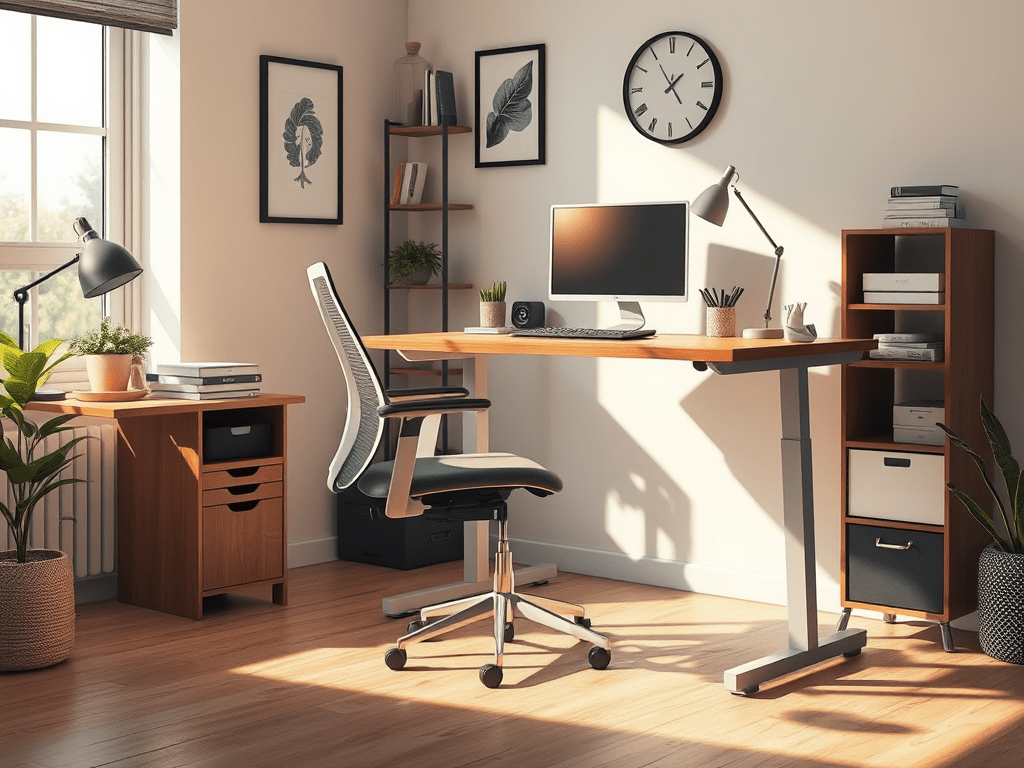
    Let me guess — you’re probably reading this from a desk (or maybe your kitchen table, or worse… your couch). I’ve been there too. When I first started working remotely, I believed I could settle for any chair and table available at home. A few weeks in, though, my back and neck ached. My wrists were stiff. I felt more drained than I did at the office.

    That was my wake-up call: comfort matters. I started shopping for “ergonomic” gear, but the price tags were intimidating. There were $400 chairs and $300 standing desks. There were also gadgets I wasn’t sure I really needed. So I set myself a challenge: could I build an ergonomic desk setup for under $100? Spoiler alert: yes. And it completely changed the way I work from home.

    Step-by-Step Guide

    This post is my step-by-step guide. It will help you do the same. You’ll save your body, your energy, and your wallet. This post is my guide to help you save. It will preserve your body, your energy, and your wallet.

    Table of Contents

    Why Ergonomics Matter in Remote Work

    Working from home gives us freedom — but it also comes with hidden costs if we’re not intentional. Poor posture and bad setups lead to remote work burnout. Surveys show that nearly 70% of remote workers report new or worsening musculoskeletal pain since shifting to home offices.

    Ergonomics isn’t just about comfort; it’s about energy. When your screen is too low, your neck strains. When your chair doesn’t support you, your back compensates. These small stressors build up, draining focus and leaving you exhausted by 3 PM. A proper desk setup helps your body align naturally, reduces fatigue, and boosts long-term health — no chiropractor bills required.

    The best part? You don’t need a thousand-dollar setup to feel the difference. With creativity and a few smart purchases, you can transform your workspace on a budget.

    Step 1: Upgrade Your Seating (Without Buying a New Chair)

    You don’t need to buy an expensive ergonomic chair. Instead:

    • Lumbar pillow substitute: Roll up a towel or use a small cushion behind your lower back. Cost: $0.
    • Seat cushion: A memory-foam cushion (around $25 on Amazon) distributes weight evenly and keeps your hips comfortable.
    • Chair height hack: If your chair is too low, place a firm cushion beneath you. If too high, add a footrest (a sturdy shoebox works).

    Step 2: Elevate Your Screen

    Your screen should be at eye level so you’re not constantly looking down.

    • Laptop stand alternative: Use stacked books or a sturdy box to raise your laptop. Cost: $0.
    • Budget stand option: Adjustable laptop stands start around $20 and are worth the small investment.
    • Extra tip: If you can, pair it with an external keyboard and mouse (see below).

    Step 3: Support Your Wrists and Hands

    • Typing all day on a flat laptop keyboard puts pressure on your wrists.
    • Take breaks: Every 20 minutes, shake out your hands to keep circulation flowing.
    • External keyboard and mouse: Basic wired versions cost under $30. This instantly improves wrist posture.
    • DIY wrist rest: Fill a sock with rice or beans and stitch the end. It cushions your wrists for free.

    Step 4: Light the Space Wisely

    Good lighting reduces eye strain and keeps your brain alert.

    • Desk lamp with warm light: Around $15–20. Position it opposite your dominant hand to avoid shadows.
    • Natural light hack: If possible, place your desk perpendicular to a window.
    • Blue light filter: Free software like f.lux adjusts screen color to reduce strain in the evenings.

    Step 5: Add Movement and Micro-Breaks 🙌

    Ergonomics isn’t just furniture — it’s movement.

    • Pomodoro breaks: Every 25–30 minutes, stand up, stretch, or walk around.
    • Standing desk hack: Place your laptop on a high counter for short standing sessions. Cost: $0.
    • Stretch reminders: Set a timer or use free apps like Stretchly to keep your body moving.

    Your Challenge This Week

    I want you to try just one of these upgrades today. Maybe it’s stacking your laptop on a few books, or adding a pillow behind your back. Notice how different your body feels at the end of the day.

    If you’ve been struggling with remote work burnout, try making this small shift. It can be the first step toward a calmer, more energized workday.

    👉 Share your desk setup or your favorite budget hack in the comments — I’d love to hear from you. Do you want more guides like this? Subscribe to the newsletter. You can also explore other resources at From Desk to Calm.

    Until next time, take care of your back, your wrists, and your energy. You deserve it.

    Tim

    P.S. Fun fact: Ernest Hemingway famously wrote standing up. Maybe he was the original ergonomics hacker 😉

  • Somatic Therapy for Remote Workers: Healing Stress With Movement

    Somatic Therapy for Remote Workers: Healing Stress With Movement

    Hey there, friend! 👋

    I’m writing this from my home office at 5 PM on a Friday. I just caught myself doing something all too familiar. I was hunched over my laptop. My shoulders were practically touching my ears. My jaw was clenched tight enough to crack a walnut. Sound familiar?

    Last week, I had what I call my “body rebellion moment.” You know the one. Your back screams. Your neck refuses to turn. Your nervous system feels like it’s been running a marathon while sitting still. I had been pushing through deadline after deadline. I was living entirely in my head. I was completely disconnected from the vessel carrying me through each workday.

    That’s when I stumbled (thanks Google) into something that changed everything: somatic therapy for remote workers. I know, I know, it sounds fancy and maybe a little mumbo-jumbo. But stick with me here, because what I discovered will just revolutionize how you handle stress while working from home.

    Table of Contents

    The Hidden Connection Between Remote Work and Body Stress

    Here’s what I learned that blew my mind: Somatic therapy for remote workers isn’t just trendy wellness speak. It’s backed by solid science. This science explains why so many of us feel physically awful despite “just sitting all day.”

    Somatic therapy focuses on the mind-body connection. It recognizes that stress doesn’t just live in our thoughts. Stress literally gets trapped in our tissues, muscles, and nervous system. When we’re constantly in fight-or-flight mode, our bodies store that tension. This happens during back-to-back Zoom calls and impossible deadlines. It’s like a stress savings account we never wanted to open.

    Dr. Peter Levine’s research on trauma and the nervous system is insightful. It shows that our bodies are designed to discharge stress through movement. Think of how animals shake after escaping a predator. But we remote workers? We just… sit there. We internalize everything.

    The numbers are staggering. 79% of remote workers report physical symptoms of stress. Neck and shoulder pain lead the charge. Meanwhile, stress reduction techniques that incorporate body awareness show 40% better results than talk therapy alone for workplace stress.

    What really got my attention was learning that our autonomic nervous system doesn’t distinguish. It treats a saber-tooth tiger the same way as a passive-aggressive email from a client. Both trigger the same physiological response. Unlike our ancestors, we can’t run or fight. We just marinate in stress hormones all day.

    Why Your Home Office Is Sabotaging Your Nervous System

    Remote work creates the perfect storm for somatic stress accumulation. Consider this: we’re isolated and sedentary. We are overstimulated by screens. We also deal with blurred boundaries between work and rest. Meanwhile, our bodies are crying out for movement and regulation.

    The isolation factor is huge. Without the natural movement breaks that come from commuting or walking to meetings, we become what I call “brain-in-a-jar” workers. Our nervous systems get stuck in sympathetic overdrive with no natural reset button.

    Then there’s the paradox of choice paralysis. At home, we have infinite options for how to work, where to sit, and when to eat. But instead of feeling free, many of us freeze up. We default to the least optimal choices: the couch, skipped meals, and 8-hour stretches without moving.

    6 Game-Changing Somatic Practices for Remote Workers

    After diving deep into somatic therapy research and testing everything on myself (and a few willing friends/family members), here are the most effective somatic therapy for remote workers techniques I’ve discovered:

    1. The 90-Second Nervous System Reset

    This is my go-to between meetings. Place one hand on your chest, one on your belly. Breathe in for 4 counts, hold for 4, exhale for 6. The key? Really feel your ribs expanding and your belly rising. This activates your vagus nerve and tells your body it’s safe to downshift from stress mode.

    Pro tip: Set a recurring calendar reminder every 2 hours. Your future self will thank you.

    2. Breathwork Power Sessions

    Here’s where things get interesting. I’ve been experimenting with guided breathwork. It is specifically designed for remote workers. These are 3-5 minute sessions that you can do right at your desk. The Wim Hof method and box breathing are game-changers for resetting your stress response.

    Challenge: Try a 4-7-8 breathing pattern when you feel overwhelmed. It’s like hitting the reset button on your nervous system.

    3. Cold Exposure Therapy (Yes, Even at Home)

    Before you roll your eyes, hear me out. Cold plunges have exploded in popularity for good reason—they’re incredibly effective for nervous system regulation. But you don’t need a fancy setup. You can activate your parasympathetic nervous system with cold showers. Ice baths in your bathtub also help. Even splashing cold water on your wrists and face can be effective.

    Start small: End your regular shower with 30 seconds of cold water. Work up from there. Personally I hate them but I am working up to 60 seconds.

    4. Micro-Movement Meditation

    This is about bringing awareness to the tiny movements your body is already making. Feel your chest rise and fall. Notice your feet on the floor. Gently roll your shoulders. It’s meditation through movement, and it’s perfect for those of us who struggle with traditional sitting meditation.

    Try this: Set a phone alarm to go off every hour. When it rings, take 60 seconds to notice and gently move every part of your body.

    5. Emotional Freedom Technique (EFT) Tapping

    I was skeptical about tapping on pressure points while saying affirmations, but the research is compelling. EFT helps discharge stored emotional energy from your body while calming your nervous system. Plus, it’s discrete enough to do during a muted video call.

    Basic sequence: Tap on your side of hand (karate chop point). Say “Even though I feel stressed, I completely accept myself.

    6. Progressive Muscle Release

    This isn’t your typical progressive muscle relaxation. You’re scanning for areas where stress is hiding. Then, you consciously invite those muscles to soften. Think of it as a body meditation.

    Night routine: Spend 10 minutes before bed scanning from your toes to your head. Ask each muscle group to release the day’s tension. I imagine my body must be shut down manually. I work my way down from the brain to the soles of my feet.

    Interactive Assessment: How Stressed Is Your Body?

    Take our 2-minute Body Stress Assessment. Click here to discover which somatic practices align with your specific stress patterns. This personalized approach ensures you’re not just trying random techniques but implementing strategies that address your unique nervous system needs.

    Your 7-Day Somatic Experiment

    Ready to feel the difference in your body? Here’s your challenge for this week:

    Day 1-2: Start with the 90-second nervous system reset. Do it 3 times throughout your workday.

    Day 3-4: Add 5 minutes of breathwork. Morning or afternoon—your choice.

    Day 5-6: Incorporate cold exposure. Even 30 seconds counts.

    Day 7: Combine all three and notice how your body feels compared to Day 1.

    I want to hear about your experience! Drop a comment below or send me an email about which technique surprised you the most. Did you discover stress hiding in places you didn’t expect? Did your sleep improve? Your focus?

    The beautiful thing about somatic therapy for remote workers is that it meets you where you are. It meets you literally at your desk, in your pajamas, between Zoom calls. You don’t need special equipment or a total lifestyle overhaul. You just need to start listening to the wisdom your body has been trying to share with you.

    Ready to transform your work-from-home experience from the inside out? Your nervous system is waiting for you to come home to yourself.

    To create calm in your remote work life, explore more resources. Check out additional stress reduction techniques at From Desk to Calm.

    Cheering you on,

    Tim


    P.S. Fun fact: Your vagus nerve—the key player in nervous system regulation—is actually the longest cranial nerve in your body. It’s like having a built-in stress-relief superhighway, and somatic practices are the on-ramp. Cool, right?

  • Somatic Therapy for Remote Workers: Your Self-Assessment Tool

    Somatic Therapy for Remote Workers: Your Self-Assessment Tool

    Stress Pattern Quiz

    🙌 Ready to understand why these techniques are so effective? Read the full guide? I have this simple self-assessment tool tailored for remote workers. It’s divided into three categories: physical symptoms, work habits, and stress triggers. Answer honestly on a scale of 1-5 (1 = rarely, 5 = always), then tally your score per section. Total scores guide somatic technique recommendations. Low scores (under 10) indicate mild stress, so try basics. Medium scores (10-15) suggest building patterns and adding movement. High scores (over 15) mean to address urgently with multiple methods.

    1. Physical Symptoms: Tune Into Your Body’s Signals

    Rate these common remote work signs:

    • Do you experience frequent headaches or eye strain from screen time? (1-5)
    • Are your shoulders, neck, or back often tense or painful after work? (1-5)
    • Do you notice shallow breathing, rapid heartbeat, or fatigue by midday? (1-5)
    • Have sleep disruptions or digestive issues become routine? (1-5)

    Score: If high, your body is holding chronic tension—start with grounding exercises.

    2. Work Habits: Spot Patterns in Your Daily Routine

    Assess how your remote setup contributes:

    • Do you work more than 8 hours without scheduled breaks? (1-5)
    • Is your workspace ergonomic, or do you hunch over a laptop on the couch? (Reverse score: 1 = always ergonomic, 5 = never)
    • Do you skip meals or exercise because “just one more email”? (1-5)
    • Are you multitasking constantly, like checking notifications during focus time? (1-5)

    Score: Medium to high? Habits are amplifying stress—incorporate movement breaks.Assess how your remote setup contributes:

    • Do you work more than 8 hours without scheduled breaks? (1-5)
    • Is your workspace ergonomic, or do you hunch over a laptop on the couch? (Reverse score: 1 = always ergonomic, 5 = never)
    • Do you skip meals or exercise because “just one more email”? (1-5)
    • Are you multitasking constantly, like checking notifications during focus time? (1-5)

    Score: Medium to high? Habits are amplifying stress—incorporate movement breaks.

    3. Stress Triggers: Identify Remote-Specific Culprits

    Pinpoint what sets off your stress:

    • Does social isolation or lack of team interaction leave you drained? (1-5)
    • Are family/work conflicts or home distractions frequent? (1-5)
    • Do economic headlines or job insecurity keep you wired? (1-5)
    • Is the pressure of “always available” via tools like Slack overwhelming? (1-5)

    Score: High here? Triggers are emotional amplifiers—focus on connection techniques.

    4. Matching Scores to Somatic Techniques

    Based on your total scores, here’s how to pick the right somatic tools to unwind your stress:

    • Low Score (Under 10): Mild stress signals—your body’s still resilient. Try Grounding Breathwork: Sit comfortably. Place a hand on your belly. Breathe deeply for 2 minutes (in for 4, hold for 4, out for 6). I started this during Zoom calls and noticed my focus improved instantly.
    • Medium Score (10-15): Patterns are forming—time to act. Add Progressive Muscle Relaxation: Tense and release each muscle group (start with your toes) for 5-10 minutes daily. After a week of this post-lunch, my back stiffness dropped noticeably.
    • High Score (Over 15): Urgent attention needed. Combine with Movement Breaks: Take 5-minute walks every hour or try a 15-minute stretch routine. I pair this with my wife on evening walks, and it’s a game-changer for tension release.

    Mix and match based on what resonates. For example, if neck pain (physical) and long hours (habit) score high, start with relaxation and breaks. If triggers like isolation dominate, add connection-focused techniques like a quick video call with a colleague.

    Alright, friend, here’s your challenge for this week. Pick one section from the self-assessment—physical symptoms, work habits, or triggers. Score yourself honestly. Try the matching somatic technique for at least three days. Did your tension ease? Did you feel more grounded? I’d love to hear how it goes—drop your experience in the comments or shoot me a note!

    For more tips on thriving remotely, sign up for our weekly updates at From Desk to Calm. Let’s tackle this stress together—you deserve to feel good in your own skin.

    Cheering you on, Tim

    P.S. Fun fact: I once reduced my stress headache frequency by 50% just by adding a midday stretch—give it a shot!

  • Doomscrolling

    Doomscrolling

    Breaking Free From the Doomscroll: How to Reclaim Your Mental Space

    Hey friend! 👋
    Last night, I picked up my phone to check the weather—just a quick glance, I told myself. Two hours later, I was still scrolling. I was reading news articles and debates raging over the recent Sydney Sweeney/American Eagle ad controversy. The avalanche of reactions only fueled my sense of anxiety. My head buzzed, my chest felt tight, and somehow I was both overstimulated and completely empty. Sound familiar?

    That’s when I realized I had a serious doomscrolling problem. And based on conversations with friends, family, and honestly, most humans I know, I’m definitely not alone.

    Scrolling felt like control—but it was quietly ruining my life.

    Did you know? The average person checks their phone 352 times a day!! No wonder we feel scattered and anxious all the time.

    What I Learned About This Modern Addiction 🧠

    Here’s the thing about doomscrolling that took me way too long to figure out: It’s not really about staying informed. It’s about avoiding something else.

    For me, I realized I was using the endless scroll. It was a way to avoid the uncomfortable feeling of being alone with my thoughts.
    Bored? Scroll. Anxious? Scroll. Procrastinating on work? Definitely scroll.

    The problem with doomscrolling is it amplifies negative emotions instead of easing them. It’s like scratching a mosquito bite—you think it’ll bring relief, but it only makes the itch worse and risks infection.

    Four Strategies That Actually Break the Cycle

    1. The “Phone Parking” Method
    Instead of trying to use willpower (which fails), I started physically removing the temptation. I bought a charging station for my kitchen and “park” my phone there when I get home.
    The key is making it inconvenient enough that you have to be intentional about picking it up. Those extra 10 steps give your brain time to ask: “Do I actually need this, or am I just bored?”

    2. Replace the Habit, Don’t Delete It
    Going cold turkey never worked for me. I identified what I was actually looking for when I reached for my phone. Usually, it was a mental break or stimulation. I found healthier alternatives.
    Now, when I feel the urge to scroll, I have a list of 5-minute alternatives. I can make tea or empty the garbage cans in the washrooms. I might text a friend something specific (not just “hey”). Alternatively, I can step outside and take three deep breaths.

    3. The “News Curfew” Rule
    I stopped consuming news after 8 PM. Not because I don’t care about the world, but because late-night anxiety spirals don’t actually help anyone.
    I get my news from two trusted sources, once in the morning, for a maximum of 15 minutes. That’s it. Everything else is just feeding the anxiety machine.

    4. Create “Friction” for Social Apps
    A hack my son taught me was to remove social media apps from my phone’s home screen. I turned off all notifications except for calls and texts. Now, if I want to check Instagram or X, I have to search for the app.
    That tiny bit of friction has cut my usage by about half. Most of the time, by the time I find the app, I realize I don’t actually want to use it.

    Your Challenge This Week 📱

    Pick ONE of these strategies and commit to trying it for just three days. Not forever—just three days. I recommend starting with the phone parking method since it’s the easiest to implement and has the biggest immediate impact.

    Pay attention to what happens when you reach for your phone and it’s not there.
    What were you feeling? What were you trying to avoid or distract yourself from?

    I’d love to hear what works for you. Hit reply and share your story—or your struggle. Sometimes our best solutions come from the comments section!

    If you trip up, that’s okay. Every scroll is a chance to notice, pause, and choose again.

    You’ve got this, Tim

    P.S. Last nights spiral I mentioned? It started because I was avoiding writing a difficult email for work. The irony? I spent two hours consuming content about other people’s problems instead of spending 15 minutes solving my own. Sometimes the thing we’re avoiding is so much smaller than the mental energy we spend avoiding it.

  • Burnout

    Burnout

     Are You Stuck in Survival Mode? Here’s the Secret to Breaking Free

    Hey friend,

    Lately, I’ve been hit with that familiar sense of being overwhelmed—like there’s just too much coming at me from all directions. Maybe it’s too many hours scrolling social media (guilty 🙋). It might be the nonstop barrage of headlines about the Government/economy. Or perhaps it’s just realizing I haven’t made time to get outside and breathe fresh air. It’s like the pressure keeps building, and I can feel it taking a toll on my mood and energy. Sometimes, it’s hard to tell what’s weighing me down most—but I know that something’s got to give.

    Why Trying to “Just Calm Down” Doesn’t Work

    Here’s the punchline: Stress isn’t just in your head, and you can’t outthink your way to calm. Our bodies were built to survive lions, not daunting inboxes or family arguments. But in the modern world, nobody tells your nervous system the threat is over. So you just… stay wired, even when you’re “done” for the day.

    Three Moves That Actually Finish Your Stress Cycle

    Let’s get practical. These are my go-tos now—they sound simple, but they truly work:

    1. Move Your Body (Even Just a Little!)
    A brisk walk, dancing around your living room, ten minutes of yoga. Physical activity tells your body, “Hey, we’re safe now.” It truly is the reset button. Most days after work, I take a short hike around the block. Sometimes, I grab my wife and get out after supper for an hour. Sometimes I will cut the grass on my lunch hour even if it doesn’t really need it.

    2. Breathe Like You Mean It
    Deep, slow breaths. I like the 4-7-8 method. These breaths signal your nervous system that it’s okay to shift gears. It’s free, takes 60 seconds, and it works. In through the nose, out through the mouth.

    3. Real Connection
    Text a friend, give your dog a belly rub, share a hug that lasts longer than usual. Positive social contact does wonders—don’t underestimate the power of being truly seen.

    And bonus points if you can laugh or cry. (Seriously. That’s science-backed.) I am not ashamed to cry in front of my kids. No, seriously, ask them

    My Favorite Mindset Shift: Rest Is a Necessity, Not a Treat

    The biggest lesson? Rest isn’t a reward for when you’ve done enough. It’s fuel for staying human. You’re allowed boundaries. You’re allowed to say no. And yes, self-care isn’t selfish—it protects your ability to give, create, and love. That’s one of the reasons behind this blog, ✍️ helps me to relax.

    Your Challenge: Stress Cycle Check-In

    Here’s what I want you to try this week:

    • Choose one of the stress cycle finishers above. It could be movement, breathing, or connection. Incorporate it into your daily routine. Do this especially after facing something stressful.
    • Notice if you feel a shift (even just a small one).
    • What stress cycle practice most resonates with you right now?

    You deserve more than just making it through. Let’s get better at this—together.

    Cheering you on, Tim

    Explore More

    Ready to tackle more wellness strategies? Visit From Desk to Calm for expert advice.

  • Remote Work and Productivity: The Truth About Getting Things Done From Home

    Remote Work and Productivity: The Truth About Getting Things Done From Home

    Hey there! 🏠

    Three months into working remotely, I was convinced I was broken. By 3 PM every day, I would be staring at my laptop screen with limited focus. I had accomplished maybe half of what I used to get done in the office. My to-do list kept growing. My energy kept shrinking. I started wondering if I was just one of those people who “wasn’t cut out” for remote work.

    Then I had coffee with my neighbor Jake, a software developer who’d been working from home for five years. When I confessed my productivity struggles, he laughed. He then said something that changed everything: “You’re trying to recreate your office life at home. Instead, you should design a system that actually works for how your brain functions.”

    He was right. I’d been fighting against my natural rhythms instead of working with them.

    The Productivity Paradox of Remote Work

    Here’s what nobody tells you about remote work and productivity: Strategies that made you successful in an office might not work at home. The environment and distractions at home are different. These strategies can actually sabotage your effectiveness. The environment is different. The distractions are different. Most importantly, your relationship with work becomes fundamentally different when your bedroom is 20 feet from your desk.

    Research shows that remote workers can be 13-50% more productive than their office counterparts. This is only true when they’ve learned to work with their home environment instead of against it. The key isn’t discipline or willpower — it’s understanding that productivity at home requires a completely different playbook.

    The most successful remote workers I know aren’t the ones who can focus for 8 straight hours. They’re the ones who’ve figured out how to maximize their peak energy windows and work around their natural productivity patterns.

    4 Game-Changing Strategies for Remote Work Productivity

    1. Map Your Natural Energy Cycles

    This was the biggest breakthrough in my remote work journey. I decided not to force myself into a 9-to-5 schedule. I tracked my energy levels for two weeks. During this time, I discovered some surprising patterns.

    How to find your peak productivity windows:

    • Track your energy levels every hour for one week
    • Note when you feel most alert, creative, and focused
    • Find your natural “crash” times
    • Pay attention to how different activities affect your energy

    What I discovered about myself:

    • Peak focus: 9-11 AM and 2-4 PM
    • Creative work best: Early morning
    • Administrative tasks: Right after lunch when energy dips
    • Meetings: Late morning when I’m alert but not in deep focus mode

    Once I started scheduling my hardest work during my natural peak times, my productivity doubled. I stopped fighting my 3 PM energy crash and started planning easier tasks for that time instead.

    2. Create “Activation Rituals” for Different Types of Work

    Working from home means you’re constantly switching between different modes — focused deep work, collaborative meetings, administrative tasks, creative projects. Each requires a different mental state. The key is having specific rituals that signal to your brain what mode you’re entering.

    Deep Focus Ritual:

    • Clear your desk completely
    • Put your cell phone in another room
    • Use noise-canceling headphones with instrumental music
    • Set a specific time limit (usually 90-120 minutes)
    • Have water and snacks ready so you don’t need to break focus

    Creative Work Ritual:

    • Change your physical location (different chair, standing desk, sometimes the couch)
    • Make a cup of tea instead of coffee. I prefer green tea and peppermint
    • Open a physical notebook for brainstorming. I am Gen X so I still like to use pen and paper but you do you
    • Put on more upbeat background music. For me its drum and base or 80’s new wave

    Meeting Preparation Ritual:

    • Review agenda and participant list 5 minutes before
    • Stand up and do light stretching
    • Check audio/video quality
    • Have pen and paper ready for notes

    These might seem small, but they create psychological transitions that help me show up differently for different types of work.

    3. Design Your Environment for Success, Not Just Comfort

    The biggest mistake I made early on was creating a home office that felt cozy rather than energizing. Comfort can actually be productivity’s enemy when it makes you too relaxed to maintain focus and drive.

    Environmental factors that boost productivity:

    • Natural light exposure — Position your workspace near a window or use a daylight lamp
    • Temperature control — Slightly cool 68-70°F (or 20-21°C for my Canadian friends) tends to increase alertness
    • Visual cues — Keep inspiring quotes, goals, or project visuals visible
    • Organization systems — Everything should have a specific place
    • Separation — Clear physical boundaries between work and relaxation areas

    The “energy audit” exercise: Walk into your workspace. Honestly assess: Does this environment make you feel energized and ready to tackle challenges? Or does it make you want to curl up and take a nap? Adjust accordingly.

    4. Master the Art of Strategic Breaks

    Remote work productivity isn’t about grinding through 8 straight hours — it’s about managing your energy like a renewable resource. The most productive remote workers are strategic about when and how they recharge.

    Types of breaks that actually restore energy:

    Micro-breaks (5 minutes every hour):

    • Stand and stretch
    • Look out a window at something far away
    • Do breathing exercises
    • Quick walk around the house

    Movement breaks (15 minutes every 2-3 hours):

    • Walk outside, even briefly
    • Do jumping jacks or push-ups
    • Dance to one favorite song
    • Yoga stretches

    Mental reset breaks (30 minutes mid-day):

    • Eat lunch away from your workspace
    • Call a friend or family member
    • Read something completely unrelated to work
    • Take a short walk in nature

    Recovery breaks (when you hit a wall):

    • 20-minute power nap if possible
    • Meditation or mindfulness practice
    • Change of scenery (work from a coffee shop)
    • Physical exercise to reset energy

    The key is being proactive about breaks rather than reactive. Take them before you feel depleted, not after.

    Building Your Personal Productivity System

    Week 1: Assessment

    • Track your energy patterns throughout each day
    • Note what environments and conditions help you focus best
    • Identify your biggest productivity challenges and distractions
    • Document when you do your best work

    Week 2: Experimentation

    • Try working during your identified peak energy windows
    • Test different environmental setups (lighting, music, temperature)
    • Experiment with various break schedules
    • Create one activation ritual for your most important work

    Week 3: Refinement

    • Double down on what’s working
    • Adjust or eliminate strategies that aren’t helping
    • Add one new productivity technique
    • Start tracking your daily accomplishments

    Week 4: Integration

    • Create consistent daily routines around your discoveries
    • Set up systems to maintain your most effective practices
    • Plan for obstacles and have backup strategies ready
    • Celebrate what’s working and plan next improvements

    Your Challenge This Week 🎯

    Choose one strategy from this post and commit to testing it for five straight days:

    Maybe it’s mapping your energy cycles by tracking how you feel every hour. Maybe it’s creating your first activation ritual for deep focus work. Maybe it’s redesigning one aspect of your workspace to be more energizing.

    Don’t try to overhaul everything at once. Pick one area where you’re struggling most and experiment with solutions.

    What’s your biggest remote work productivity challenge right now? Is it staying focused, managing energy throughout the day, or something else entirely?

    Hit up the comments and let me know. I love hearing about what people are struggling with. I also enjoy hearing about what’s working for them. Sometimes an outside perspective can spot solutions you might miss.

    Here’s to discovering that productivity at home isn’t about working harder, but about working smarter with your natural patterns.

    Talk soon, Tim

    P.S. Remember: there’s no “perfect” productivity system that works for everyone. The best system is the one you’ll actually use consistently. Start small, be patient with the process, and focus on progress over perfection. 🌟

  • Dream Boards

    Dream Boards

    Hey there! ✨

    I used to roll my eyes at vision boards. They seemed like something you’d find between crystals and motivational quotes on Pinterest. They are pretty to look at. However, they are not practical for someone trying to build a real remote career.

    Then last January, I felt stuck in the same work-from-home rut. I’d been in this rut for months. I decided to give it a shot. What did I have to lose? I grabbed some old magazines, scissors, and a piece of poster board. I fully expected to create something cheesy. I thought it would end up in a closet within a week.

    Eight months later, I’ve redesigned my home office into a space that actually energizes me. I just booked three weeks in Italy for September. I will be working from cafes in Rome and taking client calls with the Tuscan countryside as my backdrop. That “someday” vision is finally going to happen! The dream board is still hanging above my desk, and honestly? It’s been one of the most practical tools I’ve ever used for my remote career..

    Turns out, there’s a big difference between wishful thinking and intentional visualization.

    Why Dream Boards Hit Different for Remote Workers

    Here’s what I discovered: Remote work is uniquely suited for dream board magic. It allows us to have complete control over our environment. We can also fully manage our schedule. Traditional office jobs constrain you with commutes, dress codes, and physical locations. In contrast, remote work lets you design your ideal life around your career.

    The challenge? With infinite possibilities comes decision paralysis. Without a clear vision of your desired remote work life, it’s easy to drift into a default routine. This routine can feel more like survival than thriving.

    A dream board for remote workers isn’t about manifesting a Ferrari (though if that’s your thing, go for it). It’s about getting crystal clear on the lifestyle, work environment, and professional goals that remote work can uniquely provide. Then, keep those visions front and center every single day.

    4 Essential Categories for Your Remote Work Dream Board

    1. Your Ideal Work Environment

    This section focuses on the physical and digital spaces where you do your best work.

    Include images of:

    • Dream home office setups — natural light, plants, inspiring artwork
    • Alternative workspaces — coffee shops, co-working spaces, outdoor settings
    • Technology and tools — that standing desk, good lighting, quality headphones
    • Organization systems — clean desks, beautiful storage, minimal setups

    The goal isn’t to create Pinterest envy. It’s to clarify what kind of environment makes you feel energized and focused, then work toward creating it.

    2. Lifestyle Integration Goals

    Remote work’s superpower is blending life and work in ways that serve you better.

    Visualize:

    • Flexible schedule benefits — morning workouts, school pickup, midday breaks
    • Travel and workations — that laptop-on-the-beach shot (if that’s actually appealing to you)
    • Family time — working from home while kids play, cooking lunch with your partner
    • Personal pursuits — the hobby you’ll have time for, the skills you want to develop

    This isn’t about work-life balance — it’s about work-life integration that feels authentic to you.

    3. Professional Growth and Income

    Get specific about where you want your remote career to go.

    Include:

    • Salary or revenue goals — actual numbers, not just “more money”
    • Skills you want to develop — certifications, courses, new technologies
    • Types of projects or clients — the work that excites you
    • Professional recognition — speaking at conferences, industry awards, thought leadership
    • Team and collaboration — the kind of colleagues you want to work with

    Remote work can sometimes feel isolating from career advancement. A dream board keeps your professional ambitions visible and actionable.

    4. Freedom and Flexibility Outcomes

    This is where you capture the “why” behind choosing remote work.

    Visualize:

    • Geographic freedom — living where you want, not where jobs are. For me that would be Italy. Great food, great people, great work life balance, the list goes on and on.
    • Time autonomy — controlling your schedule, peak productivity hours
    • Financial independence — emergency fund, investment goals, debt freedom
    • Reduced stress — no commute, comfortable clothes, pets nearby
    • Personal growth — the person you become when you’re not constrained by traditional work

    Creating Your Remote Work Dream Board

    Go Physical, Not Digital

    There’s something powerful about cutting, pasting, and touching your dream board. The physical process of creating it engages different parts of your brain than scrolling through Pinterest.

    Be Ruthlessly Specific

    Instead of generic “success” images, choose pictures that represent your exact definition of success. What does your ideal Tuesday look like? What time do you start work? What’s your workspace vibe?

    Include Process, Not Just Outcomes

    Add images that represent the habits and routines leading to your dream remote work life. This can include morning meditation, learning new skills, networking calls, and exercise breaks.

    Update Quarterly

    Your remote work dreams will evolve. Schedule quarterly dream board reviews to add new goals and celebrate achieved ones.

    Place It Where You’ll See It Daily

    This isn’t wall art. It’s a daily reminder system. Put it somewhere in your workspace where you’ll notice it regularly.

    Making Your Dream Board Actionable

    The Monthly Check-In

    Look at your dream board and ask:

    • What’s one small step I can take toward each category this month?
    • Which dreams feel closer than they did three months ago?
    • What obstacles am I facing, and how can I address them?

    Connect Dreams to Daily Actions

    For each major goal on your board, identify:

    • One daily habit that moves you closer
    • One weekly action you can take
    • One monthly milestone to aim for

    Celebrate Progress

    When you achieve something from your dream board, mark it with a gold star. You could also use a checkmark or move it to an “achieved” section. This positive reinforcement keeps the momentum going.

    Your Challenge This Week 🎯

    Create the foundation for your remote work dream board. You don’t need to finish the whole thing — just start:

    1. Gather materials: poster board, magazines, scissors, glue stick
    2. Spend 30 minutes cutting out images that represent your ideal remote work life
    3. Choose one category to focus on and create that section
    4. Put it somewhere you’ll see it tomorrow morning

    Don’t overthink it. The magic happens in the doing, not the planning.

    What does your dream remote work life actually look like? Not the Instagram version, but the real, specific, daily experience you want to create?

    Hit reply and tell me about one thing you’d definitely include on your dream board. I love hearing about people’s unique visions for their remote work life.

    Here’s to making the invisible visible and turning “someday” into “this year.”

    Talk soon, Tim

    P.S. If you create a dream board this week, tell me about it in the comments. There’s something incredibly inspiring about seeing other people’s visions come to life — plus, I’d love to cheer you on! 📸

  • Daily Routines of High-Performing Remote Workers

    Daily Routines of High-Performing Remote Workers

    Hey there! ⭐

    I used to think the most productive remote workers were the ones posting LinkedIn updates at 5 AM. They wrote about their “morning grind” and color-coded calendars. You know the type — up at dawn, green smoothie in hand, crushing goals before most people hit snooze.

    Then I actually started talking to people who consistently deliver exceptional work from home, and I was shocked. The highest performers I met weren’t necessarily early risers or productivity hackers. But they all had one thing in common: rock-solid daily routines that worked with their natural rhythms, not against them.

    Take CJ, a project manager who mentored me early in my remote work journey. I was struggling to fit into a traditional 9-to-5 schedule. I also felt guilty about my afternoon energy crashes. Meanwhile, CJ was quietly revolutionizing how I thought about productivity. He started work at 10 AM, took genuine lunch breaks, and wrapped up by 4 PM sharp. Yet his project delivery rate was unmatched, and his team consistently hit every deadline. His secret? He’d designed his remote work routines entirely around his peak energy windows instead of fighting against his natural rhythms.

    What High Performance Really Looks Like

    After studying dozens of top-performing remote workers, I made a surprising discovery. Success isn’t about having the “perfect” daily schedule when working from home. It’s about having consistent systems that create predictable outcomes.

    The most productive remote workers don’t wing it. They don’t rely on motivation or willpower. Instead, they’ve built productive habits remote workers can depend on, regardless of how they feel on any given day.

    These aren’t complicated systems or time-tracking apps. They’re simple, sustainable routines that create structure in an environment where structure doesn’t naturally exist.

    4 Essential Elements of High Performance Routines

    1. The Protected Morning Window

    Every high-performing remote worker I studied guards their first 1-2 hours fiercely. But here’s the twist: what they do during this time varies dramatically.

    Some common approaches:

    • The Early Bird: Up at 6 AM for exercise, journaling, and strategic planning
    • The Slow Ramp: Gentle morning routine with coffee, reading, and gradual work entry
    • The Power Start: Immediate dive into the day’s most important task
    • The Preparation Ritual: Review schedule, set intentions, organize workspace. This is my most important approach.

    The key isn’t the specific activity — it’s that this time belongs to them, not their inbox or urgent requests. High performers use this window to set their day’s tone rather than react to everyone else’s priorities.

    2. Strategic Deep Work Blocks

    Productive remote workers have figured out when their brain works best and ruthlessly protect those hours.

    How they structure focus time:

    • Time blocking: Dedicated 2-3 hour chunks for challenging work
    • Theme days: Mondays for strategy, Tuesdays for creation, etc.
    • Peak energy mapping: Scheduling hardest tasks during natural energy highs
    • Communication boundaries: Specific hours for emails/meetings vs. solo work. Simple and effective but somewhat elusive for some.

    They don’t try to do deep work all day. Instead, they identify their 3-4 peak hours and build their entire schedule around protecting them.

    3. Intentional Break Architecture

    This was the biggest surprise: high-performing remote workers are strategic about their breaks, not just their work time.

    Effective break patterns I observed:

    • Micro-breaks: 5-minute walks between tasks
    • Movement breaks: Stretching, yoga, or quick workouts every 2 hours
    • Nature breaks: Stepping outside, even briefly, during the day
    • Social breaks: Quick calls with colleagues or family members
    • Creative breaks: Playing an instrument, doodling, or other non-work activities

    They don’t see breaks as “time off” — they see them as fuel for sustained high performance.

    4. The Shutdown Ritual

    Every high performer has a clear end-of-workday routine that signals to their brain: “Work is done.”

    Common shutdown elements:

    • Task capture: Writing down tomorrow’s priorities. I personally look at the next days schedule to help with this.
    • Workspace clearing: Organizing desk and closing programs. In my case, I collect all my post it notes and doodles.
    • Transition activity: Exercise, cooking, or family time
    • Gratitude practice: Reflecting on the day’s wins. I record these for my weekly summary to my boss.
    • Physical boundary: Closing laptop, leaving office, changing clothes. Most days I head right to my garage to grab my lawn mower, of pull some weeds. Its all about clearing my head.

    This isn’t about stopping at a specific time (though many do). It’s about creating a clear psychological transition from work mode to personal mode.

    Building Your High Performance Routine

    Start With Your Energy, Not Your Schedule

    Before you design your routine, track your energy for one week:

    • When do you feel most alert and creative?
    • What time of day do you naturally start to fade?
    • When are you most easily distracted?
    • What activities give you energy vs. drain it?

    Use this data to design your ideal daily structure.

    Design Your Non-Negotiables

    High performers typically have 3-5 non-negotiable elements that happen every workday:

    • A specific morning routine (even if it’s just 10 minutes)
    • One protected deep work block
    • A real lunch break away from screens. I have it blocked off in my calendar yet people still send meeting requests 😱
    • Some form of movement
    • A clear work shutdown

    Start with just 2-3 elements and build from there.

    Create Flexibility Within Structure

    The best remote work routines have consistent frameworks but flexible details. For example:

    • Always exercise in the morning, but vary the activity
    • Always have a shutdown ritual, but adjust timing based on workload
    • Always protect deep work time, but shift the hours as needed

    Test and Adjust Weekly

    High performers treat their routines like experiments. They try something for a week, assess how it felt, and make adjustments. They’re not married to any particular approach — they’re married to the process of continuous improvement.

    Your Challenge This Week 🎯

    Pick one element from the high performance routines and commit to testing it for five days:

    • Design a 15-minute morning routine
    • Block out 2 hours for deep work daily
    • Take three intentional breaks each day
    • Create a simple shutdown ritual

    Don’t try to overhaul your entire day. Just experiment with one piece and notice how it affects your energy, focus, and overall satisfaction with your work.

    What does your current remote work routine look like? Are there patterns that serve you well, or areas where you feel like you’re constantly playing catch-up?

    Hit me up in the comments — I’m curious about what routines you’ve tried and what’s worked (or hasn’t worked) for you.

    Here’s to building systems that make success feel less like luck and more like inevitability.

    Talk soon, Tim

    P.S. Remember: the best routine is the one you’ll actually stick to. Don’t aim for perfection — aim for consistency. Small, sustainable changes compound into remarkable results over time. 🚀

  • Remote Work and Depression: What to Watch For

    Remote Work and Depression: What to Watch For

    Hey friend 💙

    Three months into remote work, I found myself wearing the same hoodie for four days straight. Not because I was busy or forgot to do laundry — I just couldn’t seem to care anymore.

    My morning routine had shrunk to rolling out of bed five minutes before my first meeting. I’d unmute myself, smile brightly, contribute to discussions, then mute again and stare blankly at my screen. My teammates thought I was thriving. Inside, I felt like I was disappearing.

    The weird part? I couldn’t pinpoint why. I had flexibility, no commute, and I could work in my pajamas. Wasn’t this supposed to be the dream?

    It took weeks to realize what was happening. Working from home had quietly rewired my brain. The changes occurred in ways I didn’t see coming.

    The Hidden Mental Health Challenge of Remote Work

    Here’s what nobody talks about when they celebrate remote work flexibility: isolation doesn’t announce itself with a loud crash. It creeps in quietly, one disconnected day at a time.

    I spoke with mental health professionals and other remote workers. I learned that depression working from home is more common than we think. Remote work is appealing due to autonomy, flexibility, and fewer interruptions. However, these aspects can also create perfect conditions for mental health struggles.

    The tricky part is that remote work depression doesn’t look like the depression we see in movies. It’s subtle, functional, and easy to dismiss as just “having an off week.”

    4 Warning Signs to Watch For

    1. Your World is Shrinking

    This was my first red flag, though I didn’t recognize it at the time.

    Watch for:

    • Going days without leaving your house
    • Declining social invitations more often
    • Feeling anxious about “normal” social interactions
    • Your conversations becoming limited to work topics only

    Your office is your bedroom. Your commute is 10 steps. It’s easy for your physical and social world to contract without you noticing. This isn’t just about being introverted — it’s about losing connection to the world outside your screen.

    2. The “Productivity Paradox”

    Remote work can create a confusing relationship with productivity that feeds depression.

    Signs to notice:

    • Working longer hours but feeling less accomplished
    • Difficulty celebrating wins or recognizing good work
    • Feeling guilty during any downtime
    • Measuring your worth entirely by output

    When your home becomes your office, the boundaries between “productive” and “resting” blur. You find yourself working more but feeling less satisfied, creating a cycle that’s exhausting and demoralizing.

    3. Physical Symptoms Disguised as “Remote Work Life”

    Depression working from home often shows up in your body first:

    • Chronic fatigue that sleep doesn’t fix
    • Changes in appetite or eating patterns
    • Headaches or neck pain beyond normal “screen time” issues
    • Difficulty concentrating, even on tasks you normally enjoy

    It’s easy to blame these on “too much screen time” or “bad ergonomics.” Sometimes that’s true. But when multiple physical symptoms appear together, your body may be signaling something deeper.

    4. Emotional Numbness Masquerading as “Professional”

    This one surprised me the most. I thought I was just becoming more “professional” and focused.

    Watch for:

    • Feeling emotionally flat during work hours
    • Difficulty feeling excited about projects you used to enjoy
    • Going through the motions in meetings without really engaging
    • Feeling disconnected from your colleagues, even during video calls

    When you’re depressed, maintaining that “professional” video call persona can drain your emotional reserves. It leaves little energy for genuine connection or enthusiasm.

    Creating Your Mental Health Safety Net

    Check In With Yourself Weekly

    Every Friday, ask yourself three questions:

    • When did I last have a meaningful conversation with someone outside of work?
    • What did I do this week that brought me genuine joy?
    • Am I taking care of my basic needs (sleep, nutrition, movement)?

    These aren’t productivity questions — they’re humanity questions.

    Build “Connection Anchors”

    Schedule regular touchpoints with people who know you beyond your work role:

    • Weekly coffee calls with friends
    • Regular check-ins with family
    • Joining virtual communities around your interests
    • Even brief interactions like chatting with a neighbor

    Connection isn’t networking — it’s about being seen and known as a whole person.

    Create Physical Boundaries

    Your environment shapes your mental state more than you realize:

    • Designate work-free zones in your home
    • Change clothes between work and personal time
    • Take real lunch breaks away from your workspace
    • Go outside daily, even if it’s just for five minutes

    Know When to Ask for Help

    If you’re experiencing several warning signs for more than two weeks, it’s time to reach out. This might mean:

    • Talking to a trusted friend or family member
    • Contacting a mental health professional
    • Reaching out to your company’s employee assistance program. My company has a free resource Employee Assistance Program which I have reached out to a few times for help
    • Joining a support group for remote workers
    • Talk to a spouse or family member

    Getting help isn’t a sign of weakness — it’s a sign of self-awareness

    Your Challenge This Week 🌱

    Pick one person in your life who makes you feel like yourself. Reach out to them this week — not for work, not for a favor, just to connect.

    Send a text. Schedule a call. Suggest a virtual coffee. The format doesn’t matter. What matters is creating a moment of genuine human connection outside of your work bubble.

    Depression working from home thrives in isolation. Connection is its kryptonite.

    How are you really doing? I mean actually doing, not just professionally. Hit reply and let me know — sometimes just naming what we’re experiencing out loud helps us process it.

    Take care of yourself, Tim

    P.S. If you’re struggling right now, please know that what you’re experiencing is valid and you’re not alone. Remote work depression is real, and it’s treatable. Consider this your reminder that asking for help is actually the strongest thing you can do. 💙